Root Planing and Scaling in San Diego, CA
At Scripps Poway Dental Care in San Diego, CA, we offer many treatments to address dental issues that may affect you or your family. One such treatment is root planing and scaling, also known as deep cleaning, which effectively treats gum disease.
What is Scaling and Root planning?
Scaling and root planing, or thorough cleaning, is a non-surgical procedure for treating periodontal disease. It involves the thorough removal of plaque and tartar buildup from the teeth and roots, as well as the smoothing of rough root surfaces to promote healing and fend off further gum disease.
Indications for Scaling and Root Planing Gum Inflammation: Gum disease often starts with inflamed gums. If your gums appear red, swollen, and tender, it may indicate the need for scaling and root planing.
Gum recession : As periodontal disease progresses, the gums may recede, exposing the tooth roots. It will result in extended sensitivity and might require scaling and root planning for treatment.
Bad breath : Continual bad breath, or halitosis, can indicate gum disease. Scaling and root planing can eliminate the bacteria responsible for causing bad breath.
Loose teeth : Advanced gum disease can cause the deterioration of the bone and connective tissue supporting the teeth, resulting in tooth looseness. Scaling and root planing can help stabilize loose teeth.
Bleeding gums : If your gums bleed during or after brushing or flossing, it could indicate gum disease and the requirement for scaling and root planing.
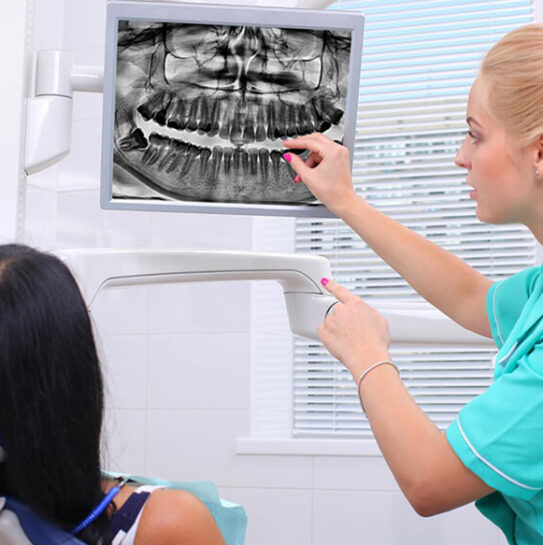
If you are experiencing any of these signs, scheduling an appointment with Scripps Poway Dental Care is essential. Our dental professionals will gauge your oral health and recommend the most suitable treatment plan, which may include scaling and root planning to manage gum disease and restore oral health.
What Does the Procedure Involve?
The procedure generally consists of two main steps: scaling and root planning. Scaling entails the removal of Plaque and tartar from the tooth exterior and below the gum line using specialized tools like ultrasonic scalers, hand scalers, and curettes.
Once scaling is complete, the tooth roots are carefully planed or smoothed to eliminate any remaining bacteria and rough surfaces contributing to plaque and tartar buildup. The smooth surfaces facilitate gum reattachment to the teeth and support healing.
Local anesthesia is administered during the root planing and scaling procedure to ensure patient comfort. Following the treatment, maintaining good oral hygiene practices is crucial to prevent gum disease recurrence. It includes regular brushing, flossing, and scheduling routine dental checkups and cleanings.
For professional root planning and scaling services in San Diego, CA, visit Scripps Poway Dental Care. Our skilled team is devoted to helping you manage periodontal disease and achieve optimal oral health.
FAQS
Root planing and scaling is a deep-cleaning procedure that eliminates plaque, tartar, and bacteria from below the gumline. It helps treat gum disease, reduce inflammation, and prevent further damage to the tissues supporting your teeth.
Your dentist may recommend it if you have any signs of gum disease, including bleeding, swollen gums, or deep periodontal pockets. Treating these issues early helps protect your bone and gum health and can prevent the condition from progressing.
Most patients remain comfortable during the procedure because the area is numbed. You may feel slight pressure as the dentist works. Some tenderness afterward is normal, but it usually improves within a few days with recommended home care.
The dentist removes built-up plaque and tartar from the tooth surfaces and smooths the roots to discourage bacteria from collecting again. This helps the gums reattach more securely. The procedure may be done in one visit or multiple visits depending on your needs.
Mild sensitivity, tenderness, or slight bleeding can occur for a short time. Brushing gently, using a soft toothbrush, and following any aftercare instructions help ensure proper healing. Many patients notice fresher breath and healthier-feeling gums afterward.
Gums often start to feel better within a week, but deeper pocket improvement can take several weeks. Follow-up visits allow the dentist to check your progress and make sure the gums are responding well to treatment.
For some patients, this is a one-time treatment. Others with ongoing gum concerns may need periodic maintenance to keep bacteria under control. Your team at Scripps Poway Dental Care will recommend a schedule based on your gum health.