Oral Cancer Screenings in San Diego, CA
Cancer is a frightening disease that can be challenging for the average person to detect. Unlike conditions like heart disease, high blood pressure, or diabetes, early-stage cancer often doesn’t show symptoms, making it difficult to identify. That’s why it’s crucial to schedule regular visits to a dentist for oral cancer screenings.
What Are Oral Cancer Screenings?
So, what exactly is an oral cancer screening, and who should be concerned about it?
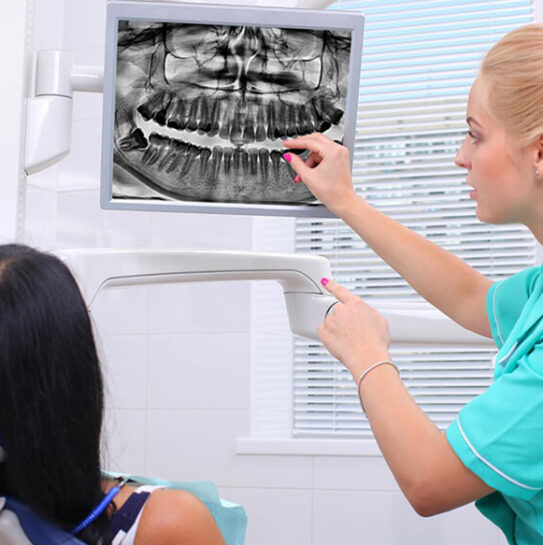
An oral cancer screening includes a visual and physical examination of the mouth and the surrounding tissues to identify signs of cancer or precancerous conditions. During the screening, your expert dentist or healthcare provider will carefully examine your lips, tongue, gums, throat, tonsils, and cheeks for abnormalities. These may include white or red patches, non-healing sores, lumps, bumps, or changes in the color or texture of the tissues.
While anyone can fall ill with oral cancer, certain factors increase the risk. These factors include:
- Tobacco use, including smoking and smokeless tobacco
- Heavy alcohol consumption
- Exposure to the Human Papillomavirus (HPV)
- Family history of cancer
- Prolonged sun exposure to the lips
- Poor oral hygiene
- Age (most cases occur in individuals over 40 years old)
Individuals with a combination of these risk factors face an even higher risk of developing oral cancer. Therefore, they must be especially vigilant about scheduling regular oral cancer screenings.
Where to Get Oral Cancer Screenings
Given that oral cancer can affect anyone, it’s vital to have regular screenings performed by a dentist who knows you well. Scripps Poway Dental Care offers basic and advanced dental care, including comprehensive oral cancer screenings.
If you are looking for reliable oral cancer screenings in San Diego, CA, or nearby areas, we are here to help. Reach out to us to schedule an appointment and ensure the health of your oral cavity.
FAQS
Screenings help identify early signs of cancer or precancerous changes in the mouth, throat, or tongue. Early detection greatly improves treatment outcomes. Because many symptoms are subtle, routine evaluations are an effective way to monitor your oral health.
The dentist examines your lips, tongue, cheeks, gums, and throat for unusual spots, lumps, or discoloration. They may also check your neck and jaw for swelling. The process is quick, painless, and usually part of a regular dental checkup.
Symptoms can include sores that don’t heal, red or white patches, lumps, persistent throat discomfort, or changes in how your teeth fit together. Many of these signs can be caused by noncancerous conditions, so a professional evaluation is the best way to determine the cause.
Using tobacco, drinking alcohol frequently, HPV exposure, and heavy sun exposure to the lips can increase risk. Age and a weakened immune system may also play a role. Even without risk factors, regular screenings are helpful because oral cancer can affect anyone.
Most people receive a screening during routine dental checkups, typically every six months. If you have higher risk factors, your dentist may recommend more frequent evaluations. Staying consistent with exams helps catch changes early.
No, screenings are noninvasive and completely painless. Your dentist simply looks and feels for any abnormalities. You can ask questions during the process, and the appointment usually takes only a few minutes.
If your dentist at Scripps Poway Dental Care notices an area that needs closer attention, they may recommend monitoring it, taking a diagnostic image, or referring you for a biopsy. These steps help determine whether the concern is harmless or needs treatment.