Tooth Extractions in San Diego, CA
Extractions are common dental procedures performed to maintain overall oral health. Although the term may sound alarming, tooth extraction is sometimes necessary for severe infection, extensive damage, gum disease, overcrowding, and improper tooth growth. There are two kinds of extractions: simple extractions, performed on easily accessible visible teeth, and surgical extractions, which are more complex and involve broken or impacted teeth.
When might you need a tooth extraction?
Severe decay : You may require an extraction when a tooth is extensively decayed, and you cannot save it with a filling or crown.
Gum disease : If gum disease has caused significant damage to the tooth and supporting tissues, extraction might be the best option.
Crowding : If your mouth is overcrowded, your dentist or orthodontist may recommend extracting one or multiple teeth to create space for proper alignment.
Impacted teeth : Extraction may be necessary if a tooth is trapped under the gum line and cannot emerge to prevent infection and other complications.
Wisdom teeth : Also called third molars, wisdom teeth may need extraction if they cause pain, infection, or other problems.
Does tooth extraction cause pain?
An anesthetic will be administered during a tooth extraction to numb the area around the tooth, ensuring you do not feel pain during the procedure. However, you may experience some pressure. It is normal to feel slight discomfort, swelling, and bruising in the area after the extraction.
Your dentist or oral surgeon will provide aftercare instructions and guidance on managing discomfort. They may recommend over-the-counter pain medication and provide stronger prescriptions.
You should carefully follow aftercare instructions to promote proper healing and minimize complications. Discuss your concerns about pain during or after the extraction with your dentist or oral surgeon before the procedure. They may offer additional measures to enhance your comfort.
What is the recovery time for a tooth extraction?
The healing time after a tooth extraction varies depending on the complexity of the process and your overall health. Typically, it takes about 7-10 days for a full recovery.
Immediately after the extraction, you may experience swelling, pain, and bleeding. Rest and abstain from strenuous activities during the first 24 hours to prevent increased bleeding and delayed healing. You should prevent smoking and drinking through a straw, as they raise the risk of dry sockets, a painful condition caused by the dislodgement of the blood clot in the socket.
After 24 hours, you can gradually resume normal activities, but exercise caution when chewing to avoid the extraction site. Additionally, maintaining good oral hygiene is essential.
If you experience severe pain, fever, or signs of infection following the extraction, immediately contact your dentist for tooth extractions in San Diego, as these may indicate complications requiring treatment.
How should I sleep after a tooth extraction?
To aid in healing, consider the following tips for sleeping after tooth extraction:
Use an extra pillow : Elevating your head can help reduce swelling and bleeding. Place an additional pillow under your head to elevate it while you sleep.
Sleep on your back : To avoid putting pressure on the extraction site, try to sleep on your back. If you usually sleep on your stomach or side, make an effort to adjust your position.
Avoid putting pressure on the extraction site : Be cautious not to exert pressure on the extraction site while sleeping. Refrain from chewing on that side of your mouth and keep your tongue away from the area.
Apply ice packs : If you experience swelling or discomfort, apply ice packs wrapped in a towel or cloth to the area for 10-20 minutes.
Remember to adhere to the aftercare instructions provided by your dentist or oral surgeon. When you have any issues or questions, please contact them for guidance.
How can I promote gum healing after an extraction?
Observe the aftercare instructions provided by your dentist or oral surgeon, which may include rinsing your mouth, applying ice packs, and taking prescribed medications. Consider these tips to help your gums heal after an extraction:
Rest and abstain from strenuous activities during the first 24 hours.
Be careful not to agitate the extraction site. Refrain from spitting, drinking through a straw, or smoking for at least 24 hours, as these activities can dislodge the blood clot and hinder healing.
Use ice packs to lessen swelling and discomfort. Apply them for 10-20 minutes, with breaks in between.
Consume soft foods in the initial days after the extraction and avoid chewing on the extraction site.
Maintain good oral hygiene by lightly brushing your teeth and tongue and using a recommended saltwater rinse to clean the extraction site.
Take any prescribed medications, including antibiotics and pain relievers, as directed.
Attend follow-up appointments as your dentist or oral surgeon advised, and promptly report any signs of infection or other complications. Your gums should heal within a few weeks after the extraction with proper care.
When can I start eating after an extraction?
After tooth extraction, it is important to exercise caution with your diet, particularly in the first few days. Your dentist or oral surgeon will offer specific instructions based on your circumstances, but here are some general guidelines to follow:
Stick to a soft-food diet for the first 24 hours, which may include items like smoothies, yogurt, soup, mashed potatoes, and eggs.
Avoid hot or highly spicy foods, which can irritate the extraction site.
Do not use a straw for drinking, as the suction can shift the blood clot and impede healing.
Once you can consume solid foods, chew on the side opposite the extraction site.
Avoid hard or crunchy foods that may damage the extraction site, such as popcorn, nuts, and candies.
If you have any concerns regarding your diet after the extraction, discuss them with your dentist or oral surgeon for further guidance.
FAQS
A tooth may need removal if it’s severely decayed, fractured beyond repair, infected, or causing crowding. Sometimes extractions are also recommended when baby teeth don’t fall out naturally. Your dentist will evaluate all other options before suggesting removal.
During the procedure, local anesthesia keeps the area numb so you don’t feel pain. You may feel pressure, but it shouldn’t be uncomfortable. Some soreness afterward is normal and usually manageable with over-the-counter pain relief and the home-care instructions your dentist provides.
The dentist numbs the area and gently loosens the tooth before removing it. If the tooth is impacted or difficult to access, a surgical approach may be used. The entire process is typically quick, and you’ll receive instructions on how to care for the site afterward.
Most people feel noticeably better within a few days. Swelling or mild discomfort can occur during the first 24–48 hours, but following your dentist’s instructions—like resting, avoiding straws, and eating soft foods—helps the area heal smoothly.
A dry socket takes place in case the blood clot that safeguards the extraction site becomes dislodged. This can cause increased pain and slower healing. Avoid smoking, drinking via straws, or vigorous rinsing for the first few days to help lower the risk.
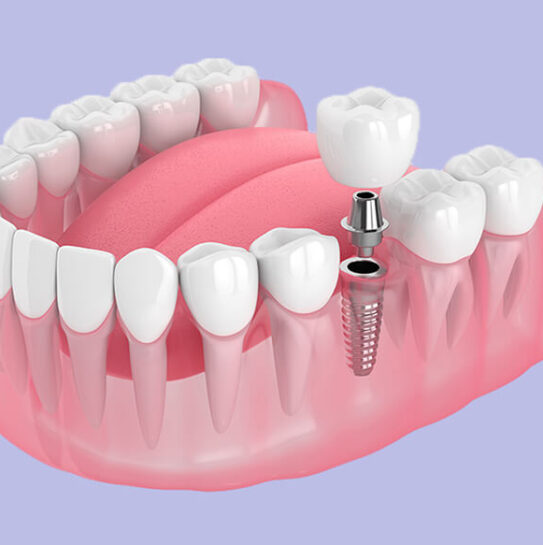
Yes, there are several replacement options, including implants, bridges, and partial dentures. Replacing a missing tooth can help maintain right bite alignment and avoid nearby teeth from shifting. Your dentist will assist you decide which solution fits your needs best.
Increasing pain, swelling, fever, or a bad taste may signal a complication and should be evaluated promptly. Most issues are easily managed when caught early. If something doesn’t feel right, contact Scripps Poway Dental Care for guidance and follow-up care.