Dental Fillings for Front Teeth vs. Back Teeth
Why Dentists Use Fillings to Repair Teeth
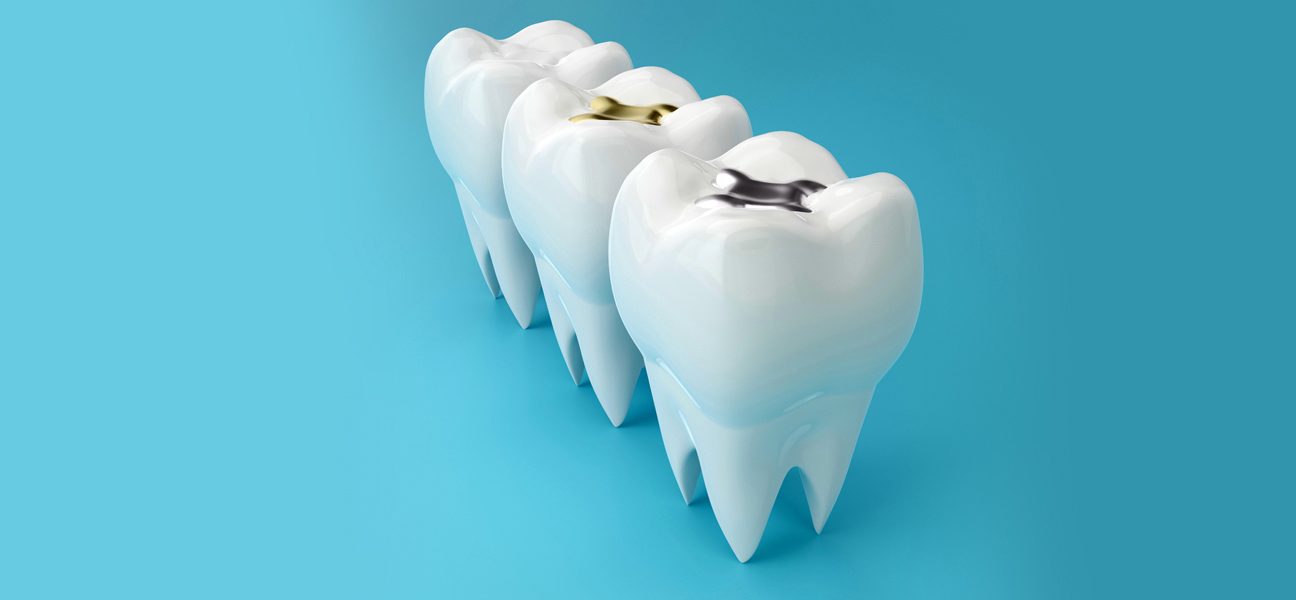
Dental fillings replace tooth structure lost to decay or minor structural damage. When cavities remove part of the enamel or dentin, a filling rebuilds the affected area and helps protect the tooth from further deterioration. The repaired tooth can continue functioning normally during biting and chewing.
A dentist near you may find early cavities during routine examinations and suggest a filling to prevent the decay from spreading further. Treating decay early often prevents the need for more complex procedures later.
Why Cavities Can Affect Both Front and Back Teeth
Cavities can develop in any tooth exposed to plaque, bacteria, and sugars from food. However, the role of each tooth in the mouth influences how treatment is planned.
Front teeth are primarily used to bite and cut food, while back teeth grind and crush food during chewing. Because of these different functions, fillings placed in visible front teeth often focus on appearance, while fillings placed in molars must handle stronger chewing forces.
A dentist in San Diego typically evaluates the location and size of the cavity before choosing the most suitable restorative option.
How Front and Back Teeth Function Differently
Front teeth, known as incisors and canines, have thinner edges and smoother surfaces. They experience less biting pressure than molars and premolars.
Back teeth are broader and contain grooves that help break down food. These teeth are exposed to stronger forces during chewing. Because of these structural differences, durability and appearance both play important roles in restoring different areas of the mouth.
Filling Materials Commonly Used for Front Teeth
When cavities occur in front teeth, tooth-colored restorations are often recommended so the repaired area blends with natural enamel. Composite resin is frequently used because its shade can closely match surrounding teeth.
Composite fillings bond directly to tooth structure and can be carefully shaped to recreate the tooth’s natural contour. In some cases, porcelain restorations may also be considered when additional stain resistance or durability is needed.
Patients seeking Dental Fillings in San Diego, CA often select composite restorations for front teeth because they blend naturally with surrounding enamel.
Filling Options Used for Back Teeth
Fillings placed in back teeth must tolerate stronger chewing pressure. Restorations used in molars and premolars are selected with durability in mind.
Cavity location, remaining tooth structure, and bite pressure all influence the choice of filling option for back teeth. Larger cavities may require materials that can withstand repeated chewing forces.
Appearance Considerations for Front Tooth Fillings
Front teeth are visible during speaking and smiling, so maintaining a natural appearance is an important part of treatment planning.
The composite material is selected to match the shade of nearby teeth. Color matching allows the repaired tooth to blend naturally with adjacent teeth.
Strength Requirements for Back Teeth
Molars and premolars play a major role in chewing. Because of this function, fillings in these teeth must tolerate repeated pressure from biting and grinding food.
Durable restorative options help reduce the risk of fractures or excessive wear over time. The restored surface is also shaped carefully so the bite remains balanced and comfortable.
How the Filling Procedure May Differ by Tooth Location
The basic filling procedure is similar for all teeth. During the procedure, the damaged tooth structure is removed, the area is cleaned, and the filling material is placed to rebuild the tooth.
Front tooth restorations often require additional shaping and polishing to create a natural appearance. Back tooth fillings may require more contouring to restore the grooves and chewing surfaces.
Clinicians such as Dr. Andy L. Tieu evaluate each tooth carefully to ensure the restored surface fits properly with the patient’s bite.
Factors That Influence Filling Longevity
The lifespan of a filling depends on several factors, including the type of restoration used, the size of the cavity, and daily chewing pressure.
Fillings in molars may wear more because these teeth experience greater bite forces. Regular dental visits help monitor existing restorations and detect early signs of damage.
What Can Affect the Cost of a Filling
Filling costs may vary depending on the material selected and the tooth requiring treatment.
Composite restorations on visible teeth may require more time and precision, while larger cavities in back teeth may require more extensive repair. Dental teams typically review treatment options and expected costs before beginning care.
Caring for Teeth After a Filling
Healthy oral care habits help keep restored teeth strong and stable over time. Brushing twice daily, flossing regularly, and attending routine dental examinations reduce the risk of new cavities forming around fillings.
Limiting sugary foods and maintaining regular professional cleanings also supports long-term oral health.
Choosing the Most Appropriate Filling Material
Choosing the appropriate filling option depends on several clinical factors. The most suitable restoration is determined after evaluating cavity size, tooth location, bite pressure, and aesthetic considerations.
This evaluation helps ensure the repaired tooth remains functional and blends with the surrounding smile.
Restoring Teeth While Maintaining Appearance and Function
Dental fillings repair damaged areas of a tooth while protecting the remaining healthy structure. Front tooth restorations usually prioritize appearance, while back teeth fillings must provide strength for chewing.
Patients who want to learn more about restorative treatment options may discuss their concerns and treatment goals with the team at Scripps Poway Dental Care.
Scripps Poway Dental Care accepts these insurances and many more: